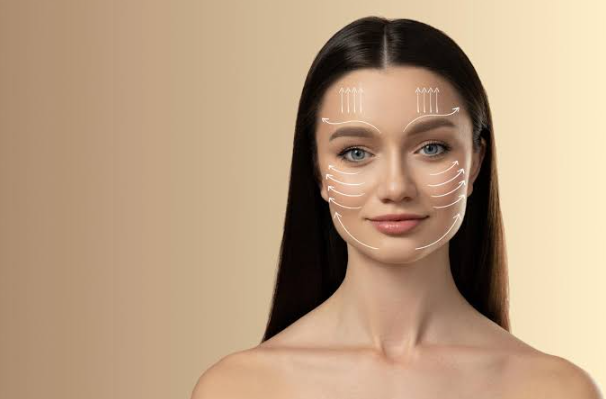

Mirrors can be unkind. One morning you notice the jawline looks softer, the cheeks have dropped a little, and the lines around your mouth seem deeper than last year. Many people reach this moment and start looking for a lasting solution rather than another cream or filler. For a growing number of them, the answer is a facelift in Dubai, a city known for advanced medical care and a strong reputation in cosmetic surgery.
What a Facelift Actually Does
A facelift, or rhytidectomy, repositions the deeper layers of the face and neck, removes extra skin, and gives the lower face a smoother, firmer shape. It is not designed to change who you are. A good result should make you look rested and natural, not pulled or “done.”
The surgery mainly improves:
- Sagging cheeks and drooping midface
- Jowls along the jawline
- Loose skin and bands on the neck
- Deep folds between the nose and mouth
It does not treat the forehead or eyelids on its own, so some people add a brow lift or eyelid surgery for a balanced outcome.
See also: How to Choose the Right Rooflights for Commercial Buildings
Why Patients Choose Dubai
Dubai attracts patients from across the Middle East, Europe, Africa, and Asia for several practical reasons:
- Modern hospitals: Many facilities use up-to-date surgical equipment and strict safety standards.
- Experienced specialists: Surgeons here see a wide range of facial types and skin tones, which builds valuable skill.
- Easy travel: Dubai is a major flight hub, with direct routes from many countries.
- Privacy and comfort: Clinics are used to international clients and often provide concierge-style support.
Types of Facelift Techniques
Not every face needs the same approach. Your surgeon will recommend a technique based on your age, skin quality, and goals.
| Technique | Best For | Typical Downtime |
| Mini facelift | Early sagging, mild jowls | 1 to 2 weeks |
| Traditional (SMAS) facelift | Moderate to advanced aging | 2 to 3 weeks |
| Deep plane facelift | Significant sagging, longer-lasting lift | 3 to 4 weeks |
| Neck lift | Loose neck skin and bands | 2 to 3 weeks |
Your Journey, Step by Step
1. Consultation. You discuss your goals, medical history, and expectations. The surgeon examines your face, explains the options, and may show photos of previous patients.
2. Preparation. You may be asked to stop smoking, avoid certain medications such as aspirin and supplements, and arrange for someone to help you at home.
3. Surgery. The operation usually lasts two to five hours under general anesthesia or deep sedation. Incisions are placed carefully around the ears and hairline so scars blend in over time.
4. Recovery. Swelling and bruising peak in the first week. Most people feel presentable in two to three weeks, though final refinement takes several months.
Tips for a Smoother Recovery
- Sleep with your head raised for the first few nights.
- Use cold compresses as advised, never ice directly on the skin.
- Avoid heavy exercise for at least four to six weeks.
- Protect your skin from the strong Dubai sun, since sunburn can affect healing.
- Stay hydrated and eat protein-rich meals to support tissue repair.
If you are traveling for surgery, plan to stay in the city for around ten days to two weeks so your surgeon can check your progress and remove stitches.
Choosing the Right Surgeon
This decision matters more than the clinic’s decor or the price. Look for:
- Board certification in plastic surgery
- Plenty of experience with facelifts specifically
- Clear, realistic before-and-after photos
- Honest answers about risks, including infection, scarring, and temporary numbness
- A calm consultation without sales pressure
Ask how many facelifts they perform each year and how they handle revisions if needed. A trustworthy surgeon will welcome your questions.
Realistic Expectations and Longevity
A facelift can turn back the clock by roughly ten years, and results often last ten to fifteen years. Your face will keep aging naturally, but it will do so from a fresher starting point. Healthy habits such as daily sunscreen, not smoking, balanced nutrition, and good sleep help your results last longer.
Remember that surgery is not a cure for every concern. Skin texture, pigmentation, and fine lines may still benefit from lasers or skincare treatments afterward.
Final Thoughts
A facelift is a personal choice that should come from your own wishes, not outside pressure. With careful research, a skilled surgeon, and patience during recovery, many patients feel more comfortable and confident when they look in the mirror. Take your time, ask questions, and choose the path that feels right for you.